


Conditions we treat
At Physio Matters, we specialise in delivering high-quality, clinically-led rehabilitation for individuals with complex
needs.
With 25 years of experience, our multidisciplinary team supports people living with life-changing
conditions—empowering recovery, independence, and long-term outcomes through compassionate, tailored care.
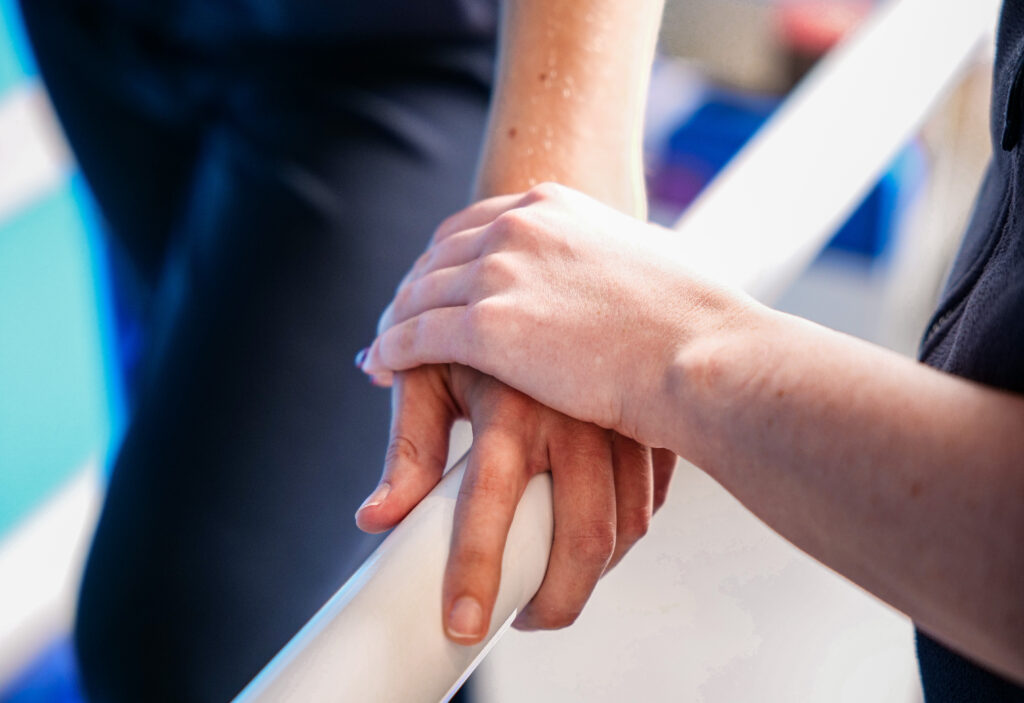

Neurological conditions
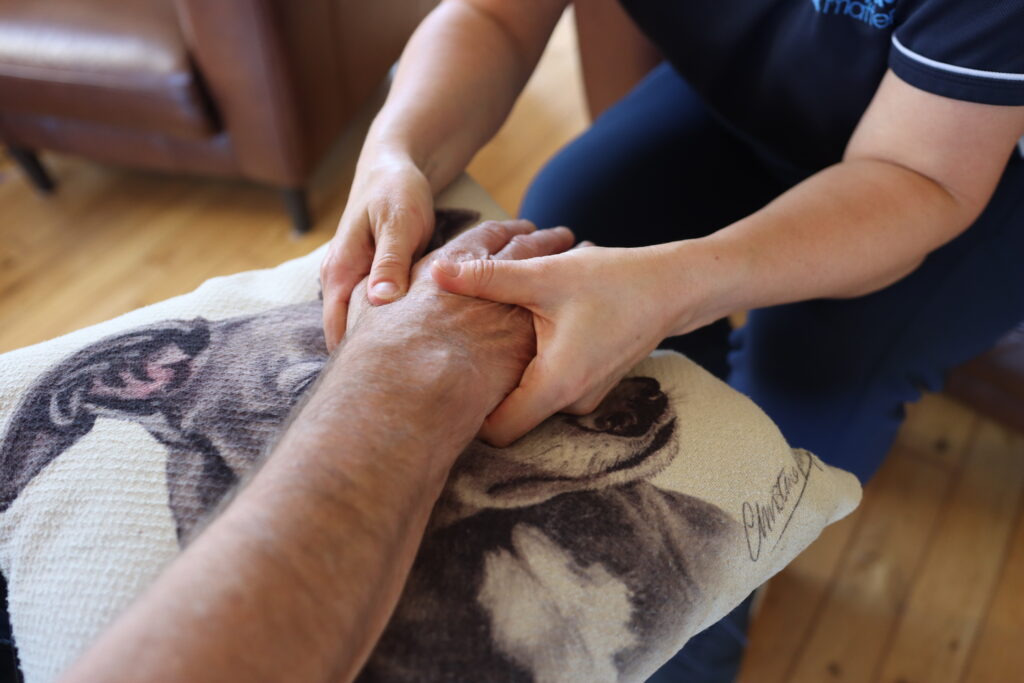
We treat people living with a wide range off neurological conditions to promote confidence, independence, mobility, and overall wellbeing.
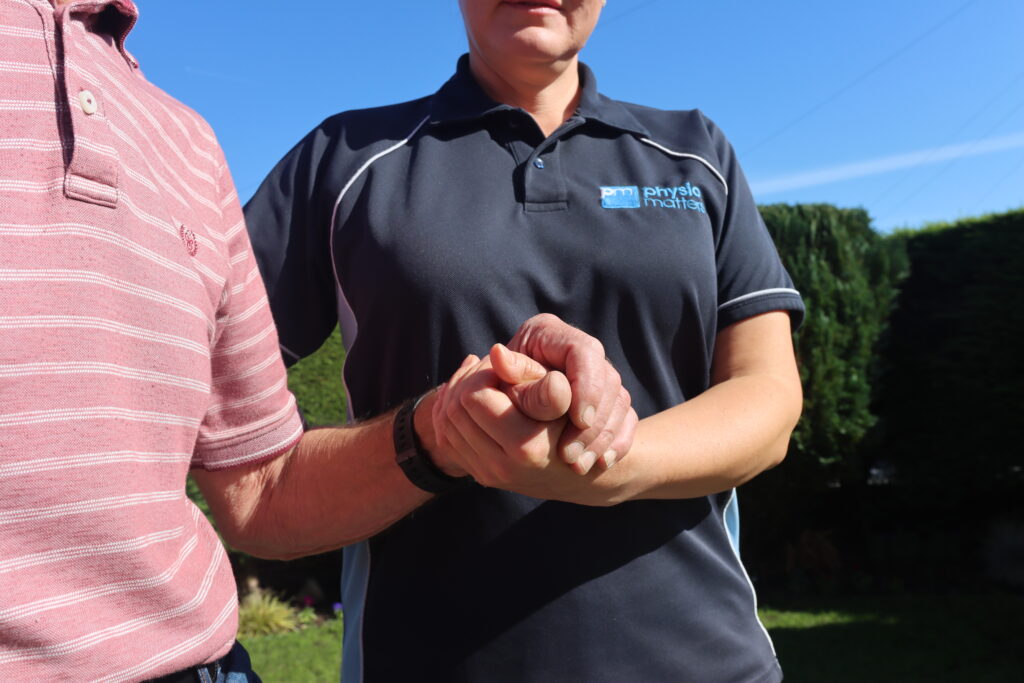

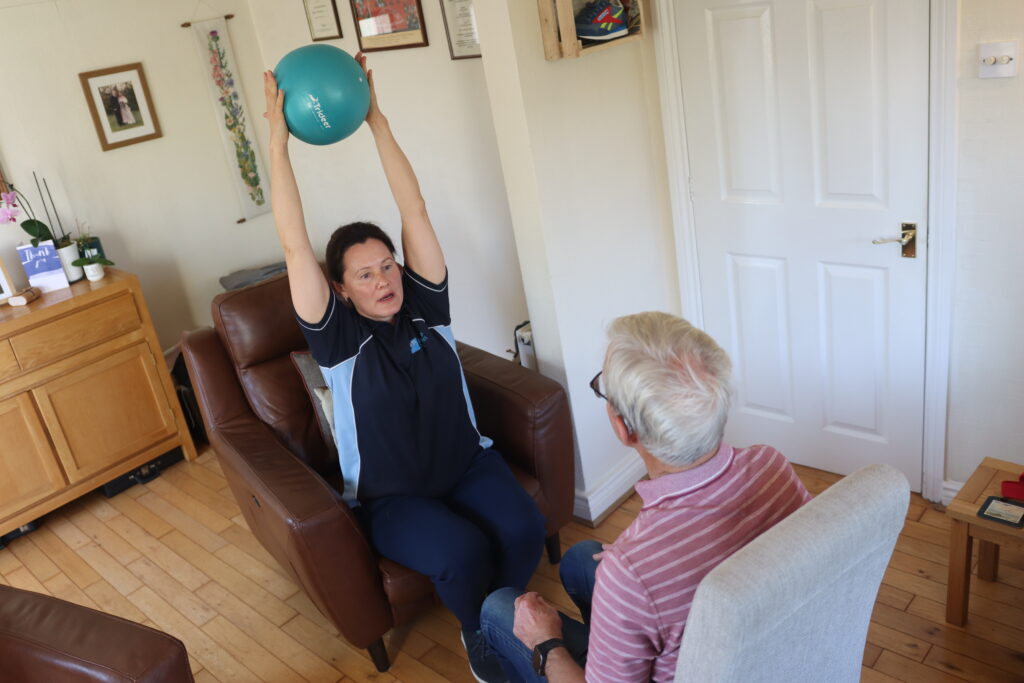


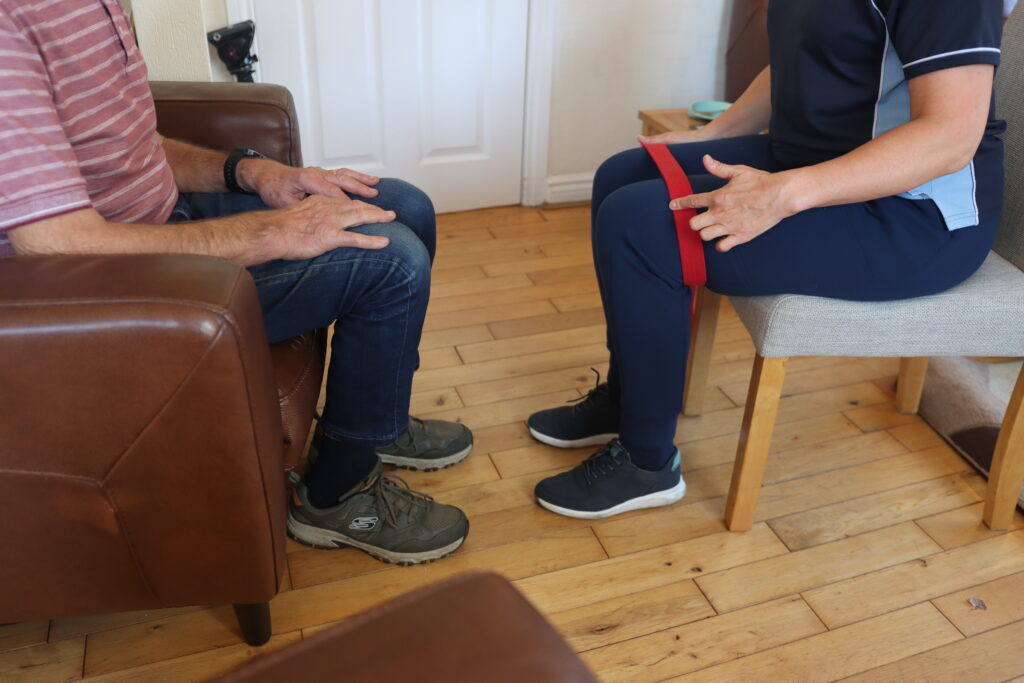

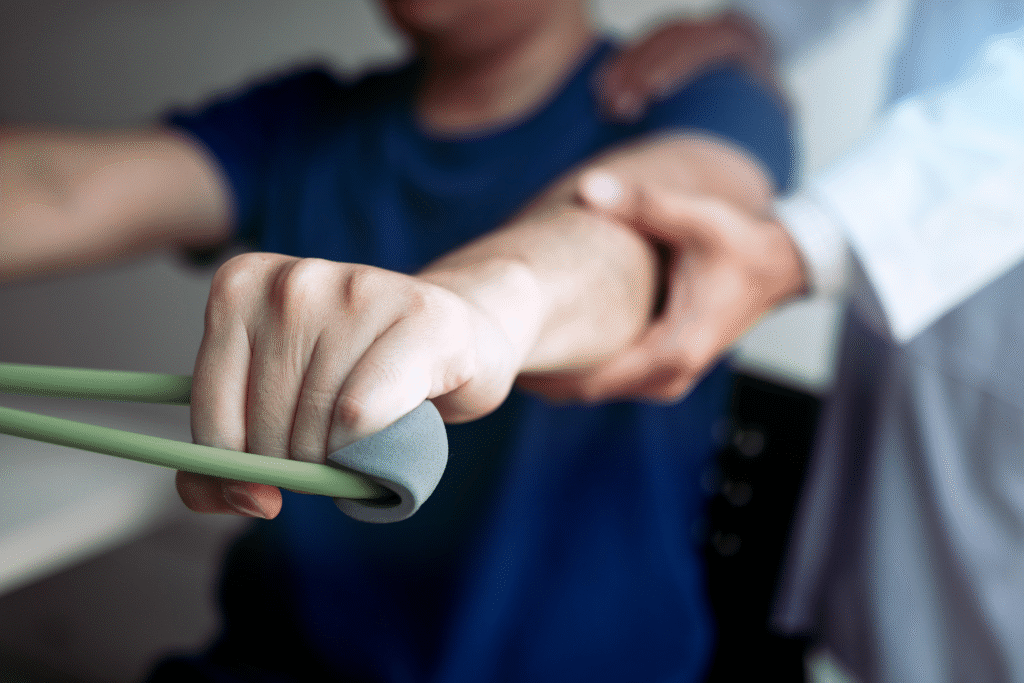

Musculoskeletal conditions
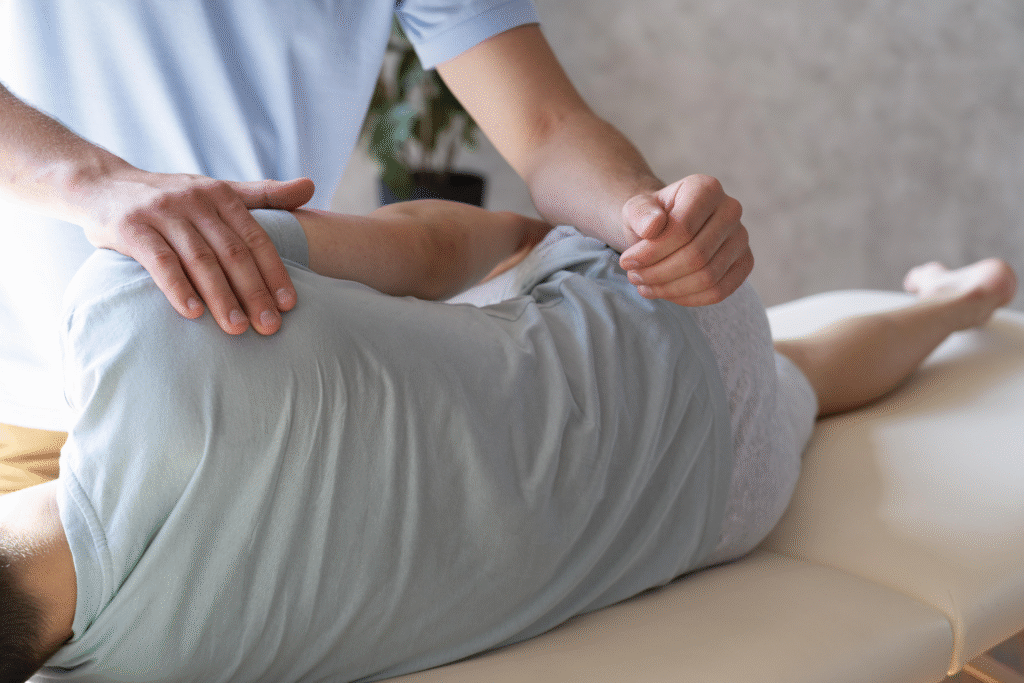
We help people manage MSK conditions to improve movement, reduce pain, and support strength, function, and wellbeing.
Get in touch to discuss your rehabilitation needs
Physio Matters is here to support your enquiry by phone during normal business hours or via email or contact form anytime. Whether you’re seeking expert advice or wish to arrange an appointment, our friendly team is ready to help.
Our specialist team of highly skilled professionals provides neurological physiotherapy, musculoskeletal (MSK) physiotherapy, complex polytrauma and medicolegal services to a mix of short and long-term clients, delivering thousands of sessions each year.
Established over 25 years, we are based in Royton, Oldham and treat clients across Greater Manchester, including Rochdale, both in our own fully accessible clinic, out in the community and in our clients’ homes.
We are dedicated to improving the quality of our clients’ lives and their sense of wellbeing. All our care is personalized, reflecting a commitment to providing the best treatment to suit each individual’s particular needs.
Got a question to ask?
We’re here to help!
If you have any queries before diving into our FAQs, feel free to reach out by calling us on 0161 681 6887 or via the Contact Us section of this website.
Whether it’s about services, appointments, or something specific to your needs, we’ll do our best to provide clear and helpful answers.

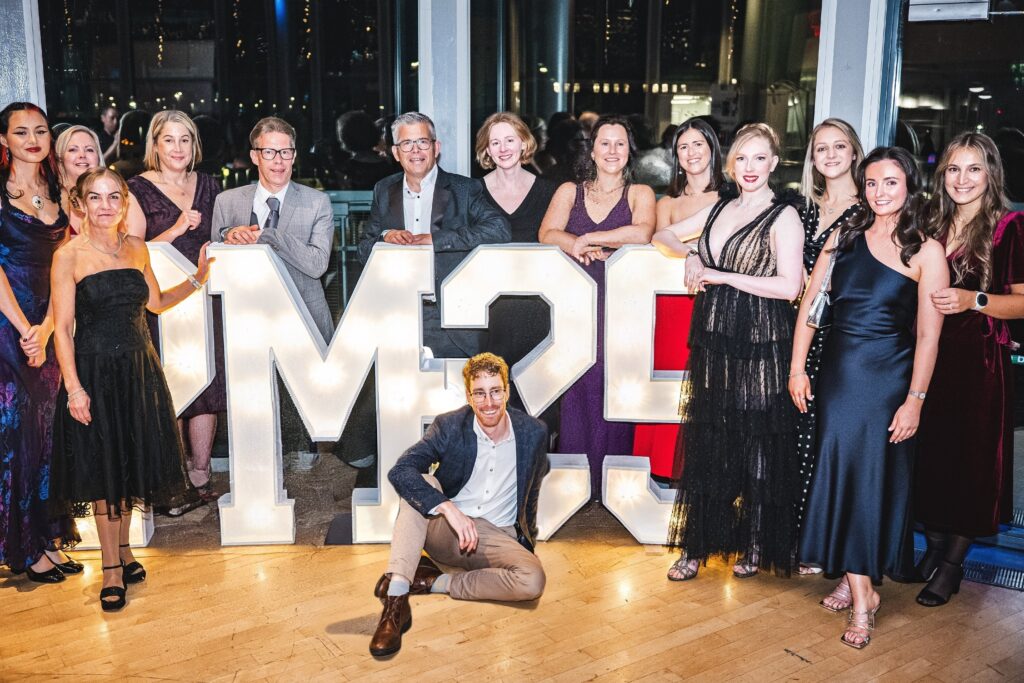
Discover our team behind your recovery
At Physio Matters, our expert team of neuro physios and MSK physiotherapists is dedicated to your journey. With advanced training, compassion, and a collaborative approach, we tailor every treatment to your goals—empowering you to recover, rebuild, and thrive. Your progress is our passion.
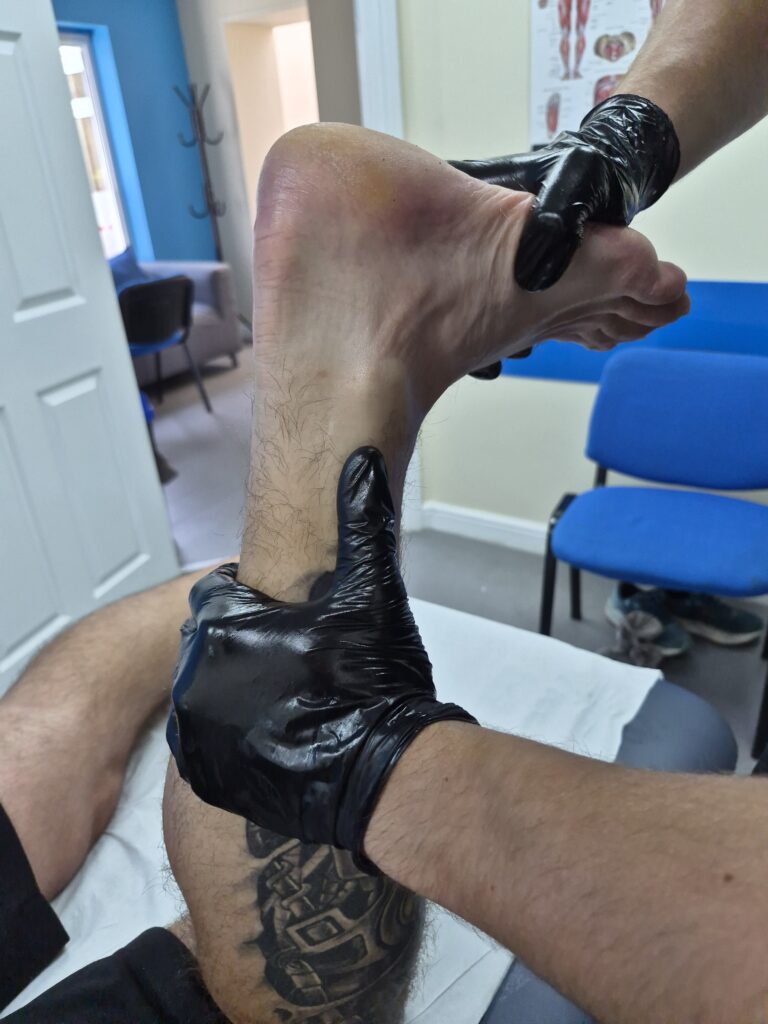
Sports injuries are injuries that normally occur during physical exercise, training or competition. They are common in athletes and can include a full range of injuries from sprains and fractures to strains and joint injuries. Sports injuries can occasionally cause chronic conditions such as tendinopathy or stress-related pain.
While minor sports injuries can be treated at home with rest, the application of ice, the elevation of the affected limb and over-the-counter anti-inflammatories, other injuries can require further intervention. This is where physiotherapy may help.
If you are experiencing persistent or worsening issues, a physiotherapist may be able to help. At Physio Matters, we offer a full and comprehensive assessment and diagnosis to see what would best support your recovery.
Generally, a good recovery involves a bit of both. For the first 24 to 72 hours, the learned advice is to protect and rest the injured area. After that period, active recovery is advocated. This is because prolonged, complete rest can cause stiffness, deterioration of the muscles and can lead to delayed healing.
We treat sports injuries at our clinic on Rochdale Road in Royton, Oldham. Whether it’s a pulled muscle, a twisted ankle or a niggle that won’t settle, our MSK physiotherapists can work out what’s happened and put together a plan to get you moving again. You can book online or call us on 0161 681 6887.
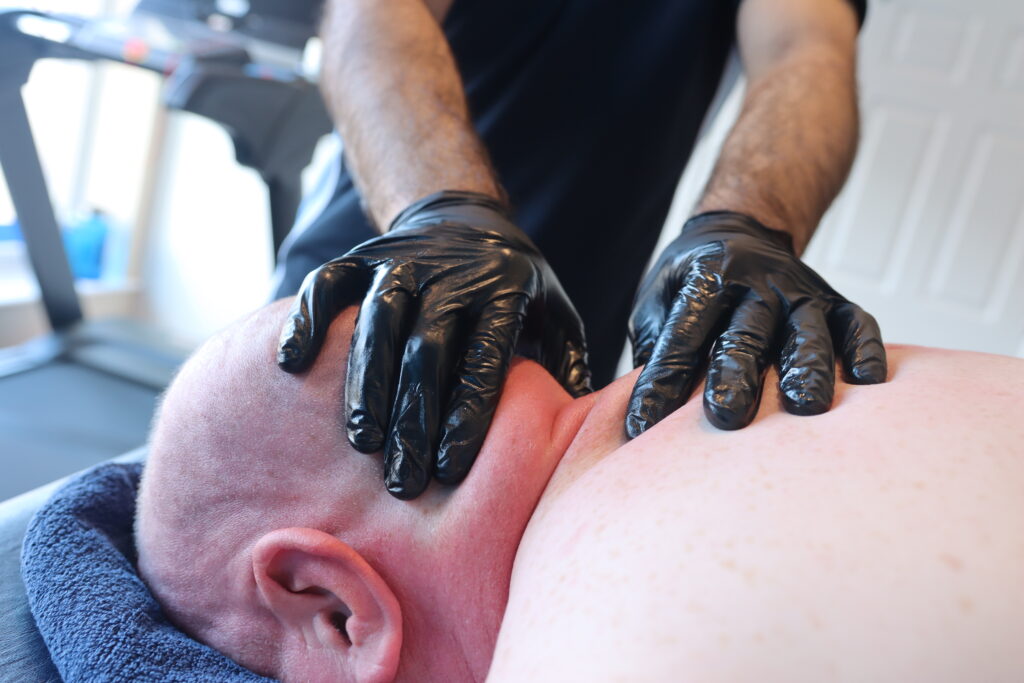
Neck pain can be caused by poor posture, muscle strain, whiplash and nerve compression. Degenerative conditions, such as osteoarthritis and disc herniation, can also cause neck pain to flair up. Along with these physical causes, neck pain can be linked to stress and tension.
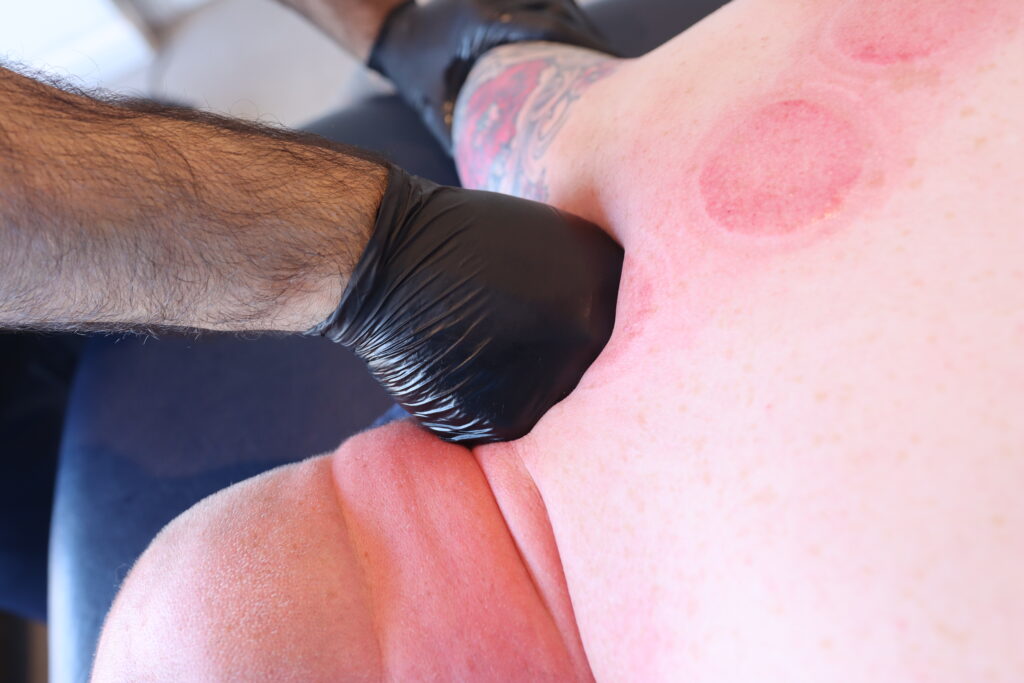
There are lots of ways to treat neck pain including manual therapy, targeted exercise and deep tissue release. We use an evidence-based approach to check what will work best for you to help you move comfortably.
If your neck pain lasts for more than a few weeks, you need to see your GP. If it has been caused by a major injury, seek urgent medical attention. The same goes for neurological symptoms like weakness in the arms or legs, numbness and loss of bladder or bowel control.
Knee pain is more common than you might think. It can be caused by injury, arthritis, bio-mechanical issues or simple overuse. It may also be down to biomechanical issues, which can relate to how your bones are aligned; your muscle strength or how you walk.
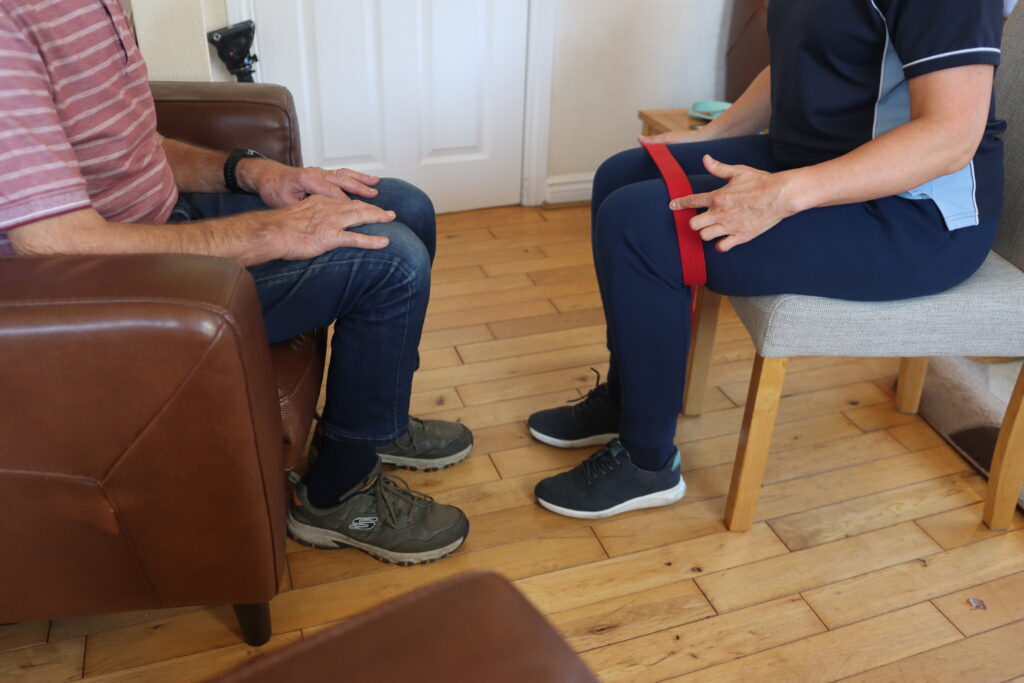
Reassuringly, there are lots of ways to treat knee pain and, at Physio Matters, we are expert in them all. Our methods include manual therapy, strengthening exercises, stretching and flexibility routines, balance and proprioception training, education on movement strategies and support with walking aids and orthotics. It’s tailored to your lifestyle so, whichever route is chosen, you know it’s right for you.
Yes, you can! Strengthening the muscles around the joint takes pressure off the knee. Try to go for low-impact options like swimming and Pilates. Listen to your body and avoid activities that cause sudden, sharp pain.
If you have knee pain that doesn’t go after a few weeks, see your Physio. If you can’t bear any weight on the leg; you’re limping; your knee is badly swollen or it locks or painfully clicks, you should seek medical help straightaway.
A sprain involves the stretching or tearing of ligaments, which are the bands that connect bones at a joint. A strain impacts muscles or tendons, which connect muscles to bone.
A sprain usually takes one to 12 weeks to heal, depending on its severity. Minor sprains usually recover in one to three weeks then it goes up to three to six weeks for moderate injuries, like a partial tearing. More severe tearing can take up to three months.
Use ice for a new sprain as that will reduce the swelling and numb the pain. Apply an ice pack every three hours for the first 24 to 72 hours. Once the initial swelling has gone away then you can switch to heat. This will help to loosen up stiff muscles and joints.
If you can’t put weight on a joint, the pain is incredibly severe and you can see visible deformity, or if you notice any numbness, get medical attention straightaway.
The early signs of arthritis include persistent joint pain, swelling, warmth and stiffness that makes it increasingly difficult to use your joints for day-to-day activities. Watch out for symptoms in the morning or after you’ve been resting.
Physio works great for arthritis and there are a range of treatments available. We offer a full choice of treatments, which we can guide you on. We often recommend a combination of hands-on therapy and movement-based rehabilitation. If you’re interested, give us a call on 0161 681 6887. Let’s see if we can help.
There are lots of benefits to exercising when you have arthritis. It really can help. The main benefits would be pain reduction, muscle support and seeing a general improvement in your mobility.
Shoulder pain can be caused by a range of issues including overuse or repetitive strain; poor posture or workstation setup; rotator cuff injuries or tears; frozen shoulder; shoulder impingement or bursitis; joint instability or dislocation; referred pain from the neck or thoracic spine.
There are various ways to treat shoulder pain. We have a mix of methods which we use, tailored to the individual and their specific needs. Our shoulder pain rehabilitation includes manual therapy, targeted exercise therapy, deep tissue release, education on movement strategies and training to support the return to work, sport or daily activities.
Yes, it can. Physiotherapy is extremely affective in helping to treat frozen shoulder. It helps alleviate the pain, prevents muscle atrophy and can restore a range of motion through targeted stretches, joint mobilisation and stretching exercises.
Seek immediate medical attention if your shoulder pain is sudden, sharp and radiates to your neck or jaw. This can be a sign of a heart attack. If the pain is ongoing; lasting longer than two to four weeks or it progressively gets worse, contact your GP.
Lower back pain can be caused by muscle strain or ligament sprain; poor posture or prolonged sitting; herniated or degenerative discs; arthritis or spinal stenosis; trauma or whiplash; stress and tension.
While a couple of days rest might benefit a severe flare up, too little movement and activity can cause your muscles to weaken and stiffen. Get moving as soon as you can. Keep your movements gentle and return to your normal activities as quickly as possible.
There are red flags to watch out for that can indicate a serious injury. For instance, you should seek immediate medical help if you experience severe pain after a significant trauma, new bladder or bowel incontinence or progressive numbness and weakness in your legs.
Yes, it can. Physiotherapy aims to relieve pain, restore movement and prevent recurrence using targeted, evidence-based interventions. Our back pain rehabilitation programme is designed to address the root cause of the pain and support long-term recovery.
Poor mobility can stem from neurological conditions, musculoskeletal injuries, age-related changes, chronic health issues or post-op recovery. It can impact on independence and quality of life as well as raising the risk of falls.
Yes! At Physio Matters, we work with you to improve your movement. Our Poor Mobility Rehabilitation Programme aims to help you to strengthen your hips, knees, ankles and core; improve your walking; reduce your fall risk and help with sit-to-stand and stair climbing.
We do strengthening exercises, gait re-education, balance and coordination training, functional movement practice and we offer hydrotherapy. We also give advice on walking aids, orthotics and adaptive equipment. If you give us a call, we can talk you through the complete offering.