

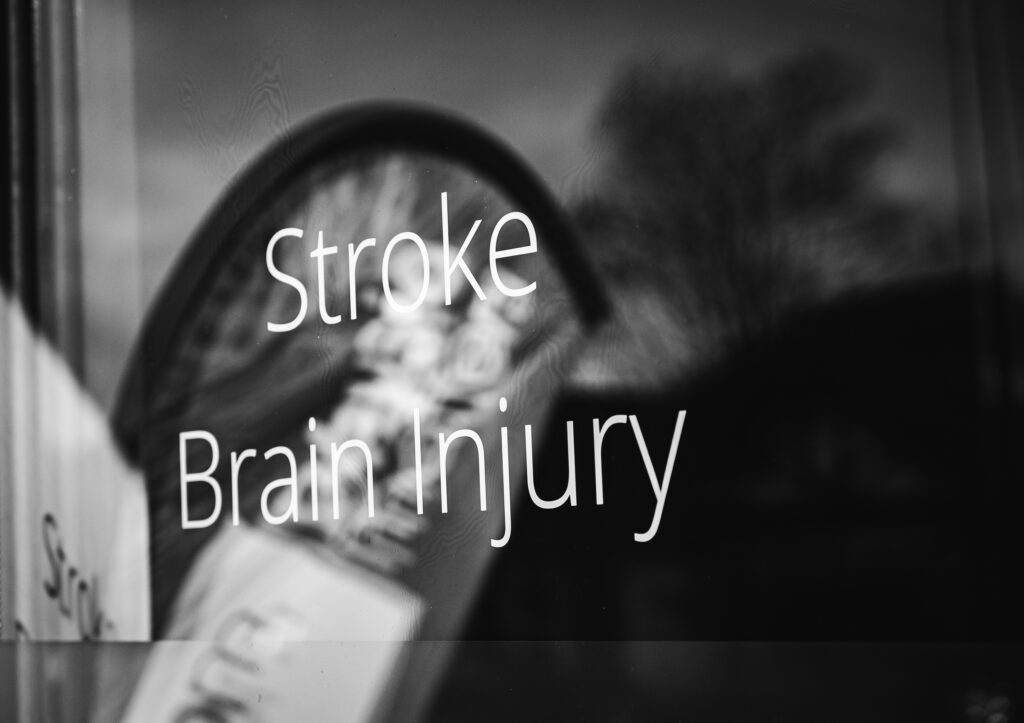
What is early intervention in rehabilitation?
Why early intervention makes a difference
When someone experiences a neurological event—such as a stroke, brain injury, or the onset of a condition like multiple sclerosis—the timing of rehabilitation can make a significant difference. Early intervention in neurological physiotherapy refers to starting treatment as soon as possible after diagnosis or injury. At Physio Matters, we believe this approach is essential for achieving the best possible outcomes.
Our team of specialist neurological physiotherapists at Physio Matters are trained to deliver personalised, evidence-based care from day one. Whether you’re recovering from a stroke, traumatic brain injury, or managing a long-term condition like Parkinson’s or MS, we tailor our approach to your unique needs.
We use advanced techniques such as Functional Electrical Stimulation (FES), gait re-education, postural management, and neuroplasticity-based exercises to support recovery and independence.
1. Maximising Neuroplasticity
One of the most compelling reasons for early intervention is the brain’s natural ability to adapt and heal—known as neuroplasticity. In the early stages following a neurological event, the brain is most responsive to change. This is often referred to as the “golden window” of recovery.
During this time, targeted physiotherapy can help stimulate new neural pathways, allowing the brain to compensate for damaged areas. This can lead to improvements in movement, coordination, balance, and overall function. The sooner rehabilitation begins, the greater the opportunity to harness this neuroplastic potential.
2. Preventing Secondary Complications
Delaying physiotherapy can lead to a range of physical complications. Without movement and guided exercise, individuals may develop:
- Joint stiffness
- Muscle contractures
- Poor posture
- Reduced cardiovascular fitness
- Pressure sores
Early neurological physiotherapy helps maintain range of motion, muscle strength, and circulation, reducing the risk of long-term disability. It also supports safe mobility and functional independence, which are key goals in neurological rehab.
3. Supporting Emotional and Psychological Wellbeing
Experiencing a neurological condition can be overwhelming—not just physically, but emotionally. Early intervention provides structure, routine, and a sense of progress during a time of uncertainty. It helps individuals and their families understand the rehabilitation process, set realistic goals, and feel supported.
Engaging in physiotherapy early can also reduce anxiety, improve mood, and foster a sense of control. At Physio Matters, we take a holistic approach, recognising that emotional wellbeing is just as important as physical recovery.
Ready to begin your rehab journey
If you or a loved one has experienced a neurological event, don’t wait. Early intervention can make all the difference. Contact Physio Matters today to speak with our neurological physiotherapy team and take the first step toward recovery, independence, and improved quality of life.


Who benefits most from early intervention?
Timely neurological physiotherapy can make a life-changing difference for many clients. Those who benefit most include:
- Stroke survivors – Early therapy helps restore movement, reduce spasticity, and improve independence.
- Brain injury clients – Prompt intervention supports neuroplasticity and functional recovery.
- Spinal cord injury clients – Early rehab helps prevent complications and maximise mobility.
- People with MS or Parkinson’s – Starting therapy during or soon after a flare-up can slow progression and maintain function.
- Post-surgical neurological cases – Early movement and re-education reduce recovery time and improve outcomes.
- Children with developmental conditions – Early support can enhance motor development and long-term potential.
At Physio Matters, our team tailors early intervention to each individual’s needs, helping them make the most of their recovery window.
What’s new at Physio Matters
Catch up on our latest news stories, case studies, team highlights, and expert insights—see how we’re helping people move better and feel stronger every day.
-
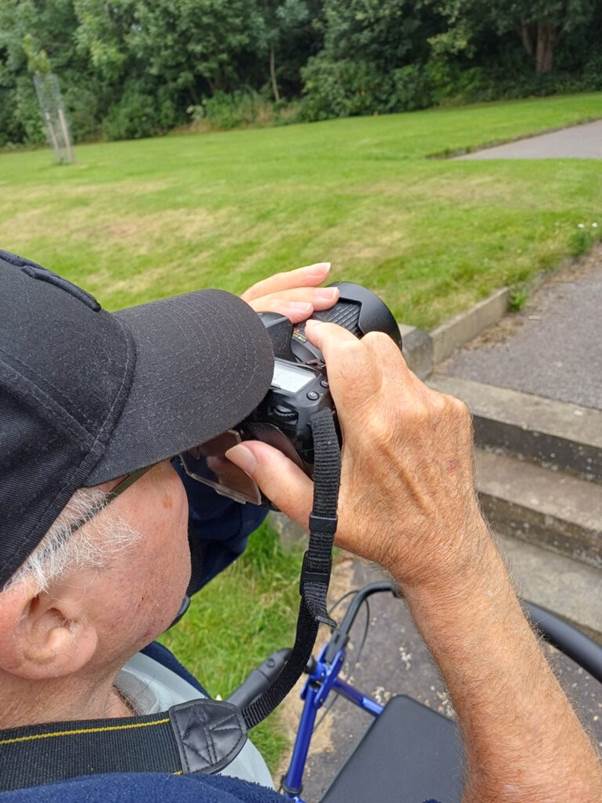
Meet Jeff
When 82 year old Jeff first contacted Physio Matters, he wasn’t looking for miracles – he simply wanted a chance to indulge his passion for…
·
3 mins -
Brainwaves 2026 Programme Revealed
On 6th October 2025 Physio Matters proudly marked its 25th anniversary with an unforgettable celebration dinner, bringing together colleagues, partners, and supporters to honour a…
·
3 mins -

Physio Matters’ 25th Anniversary Celebrations!
On 6th October 2025 Physio Matters proudly marked its 25th anniversary with an unforgettable celebration dinner, bringing together colleagues, partners, and supporters to honour a…
·
3 mins
-
Meet Jeff
When 82 year old Jeff first contacted Physio Matters, he wasn’t looking for miracles – he simply wanted a chance to indulge his passion for…
·
3 mins -
Brainwaves 2026 Programme Revealed
On 6th October 2025 Physio Matters proudly marked its 25th anniversary with an unforgettable celebration dinner, bringing together colleagues, partners, and supporters to honour a…
·
3 mins -
Physio Matters’ 25th Anniversary Celebrations!
On 6th October 2025 Physio Matters proudly marked its 25th anniversary with an unforgettable celebration dinner, bringing together colleagues, partners, and supporters to honour a…
·
3 mins
Get in touch to discuss your rehabilitation needs
Physio Matters is here to support your enquiry by phone during normal business hours or via email or contact form anytime. Whether you’re seeking expert advice or wish to arrange an appointment, our friendly team is ready to help.