

What is the difference between neuro and musculoskeletal physiotherapy?
Physiotherapy is a diverse profession, with specialists working across a wide range of conditions. Two key branches—musculoskeletal (MSK) and neurological physiotherapy—serve very different purposes, each requiring distinct expertise, approaches, and goals.
What is the difference?
What conditions does an MSK physiotherapist treat?
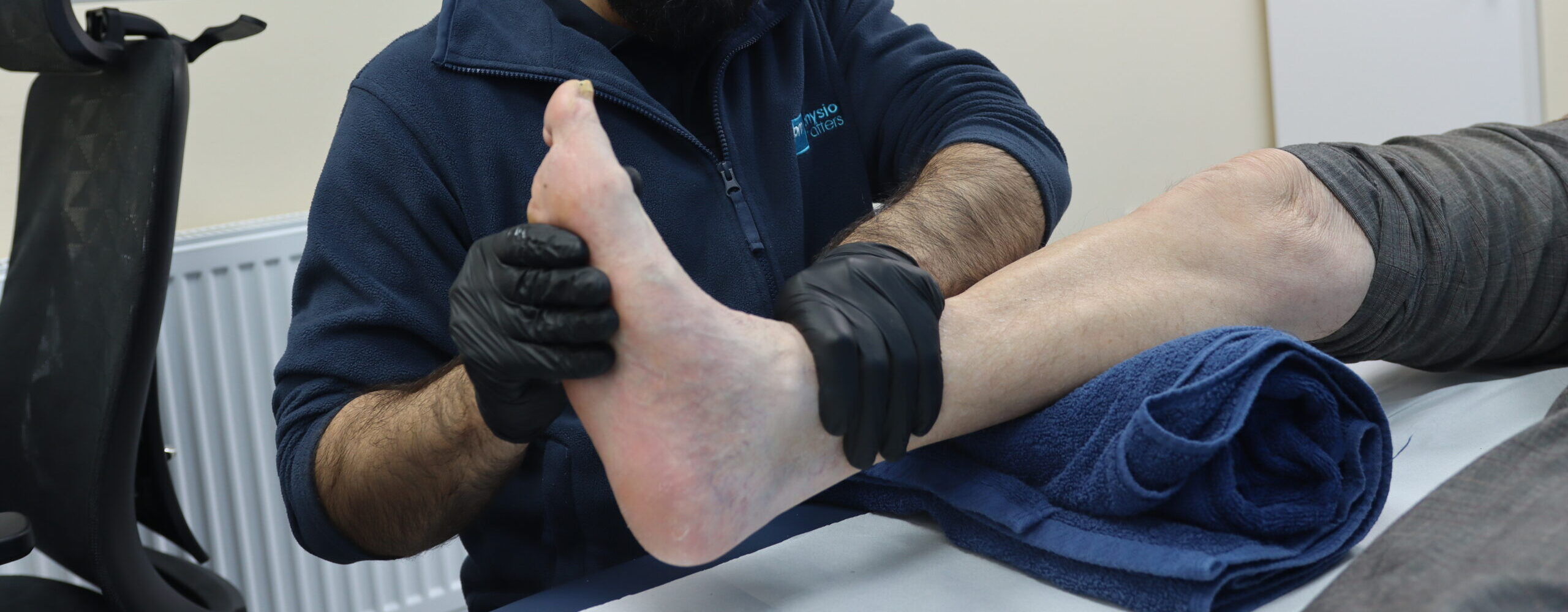
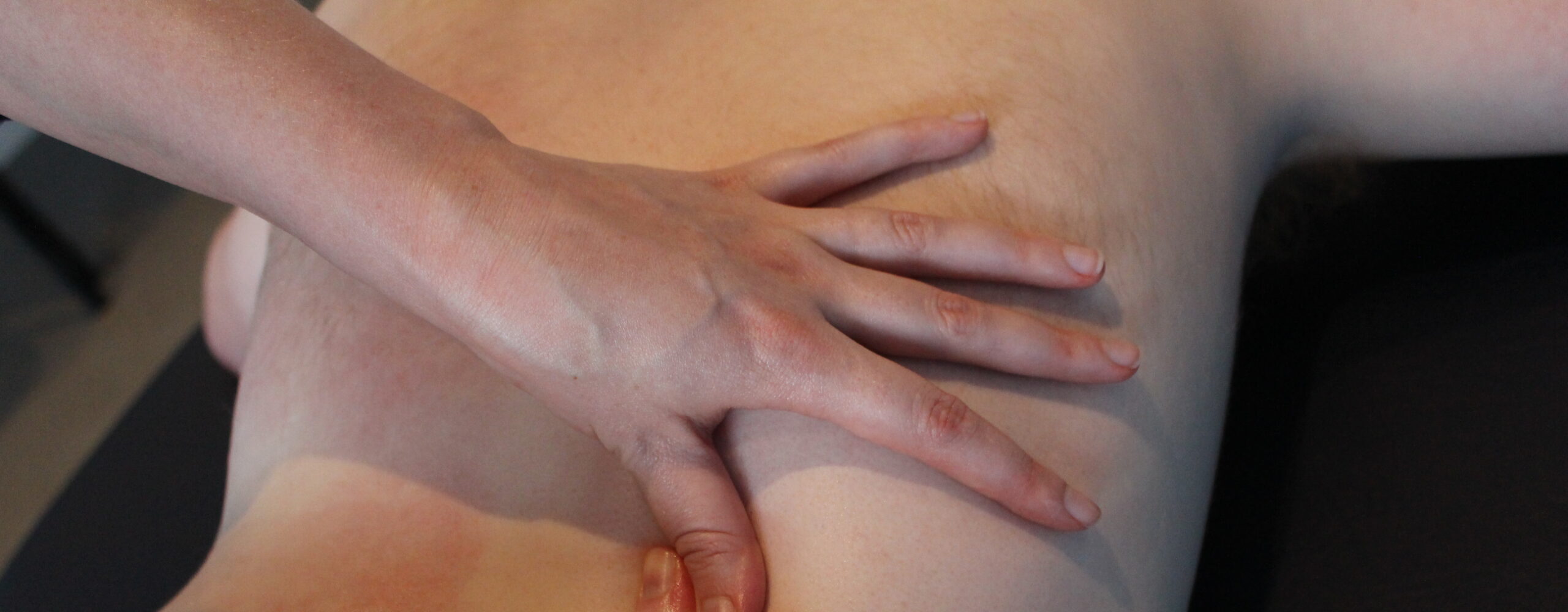
MSK physiotherapy deals with injuries and disorders affecting the muscles, bones, joints, ligaments, and tendons. It’s commonly used for conditions like back pain, sports injuries, post-operative recovery, arthritis, and repetitive strain injuries. MSK therapists focus on restoring movement, reducing pain, and improving strength and flexibility. Treatment often includes manual therapy, exercise prescription, soft tissue techniques, and biomechanical assessments.
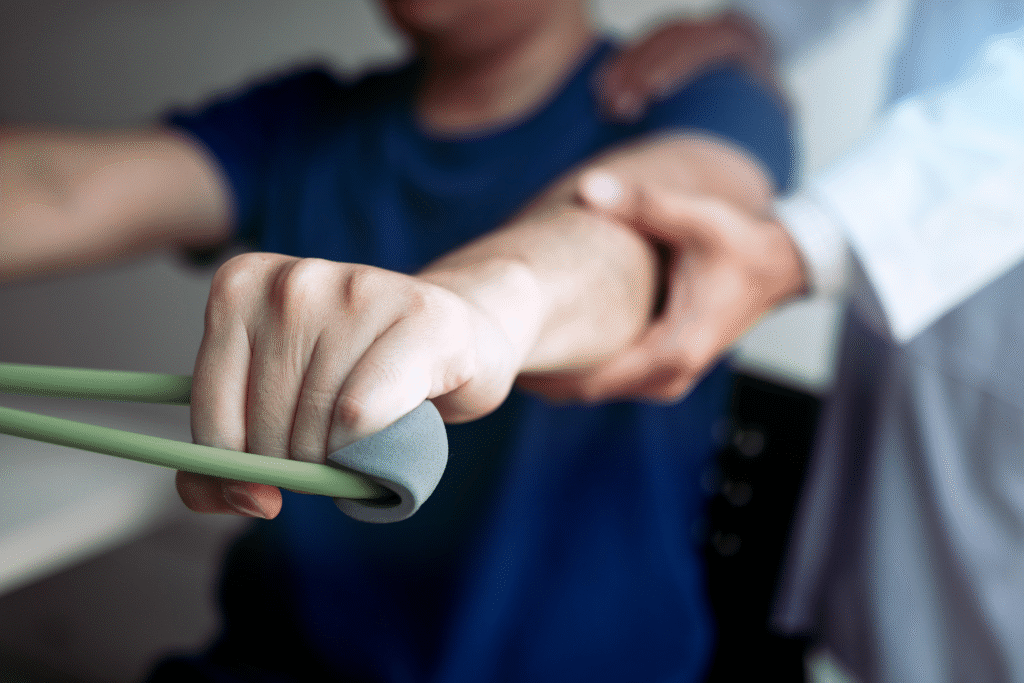
In contrast, neurological physiotherapy supports individuals with conditions affecting the central and peripheral nervous system—such as stroke, brain injury, multiple sclerosis, Parkinson’s disease, and spinal cord injury. These conditions can impact movement, balance, coordination, sensation, and cognition. Neurological physiotherapists use specialist techniques like neuroplasticity-based rehab, Functional Electrical Stimulation (FES), gait re-education, and complex postural management to help clients regain independence and improve quality of life.
While MSK rehab often follows a more predictable recovery path, neurological rehab is typically longer-term and highly individualised. It requires a deep understanding of how the brain and body interact, and a compassionate, patient-centred approach.
Musculoskeletal (MSK) physiotherapists specialise in assessing, diagnosing, and treating conditions that affect the muscles, joints, bones, ligaments, and tendons. At Physio Matters, our MSK team supports clients of all ages to recover from injury, manage pain, and improve movement and function.
Common conditions treated by MSK physiotherapists include:
- Back and neck pain – including disc issues, sciatica, and postural strain
- Joint problems – such as arthritis, bursitis, and joint hypermobility
- Sports injuries – including ligament sprains, muscle strains, and tendonitis
- Post-operative rehabilitation – following joint replacements, ACL reconstruction, or spinal surgery
- Repetitive strain injuries – like carpal tunnel syndrome or tennis elbow
- Fractures and trauma – helping restore strength and mobility after bone injuries
- Biomechanical issues – including poor alignment, gait abnormalities, and muscle imbalances
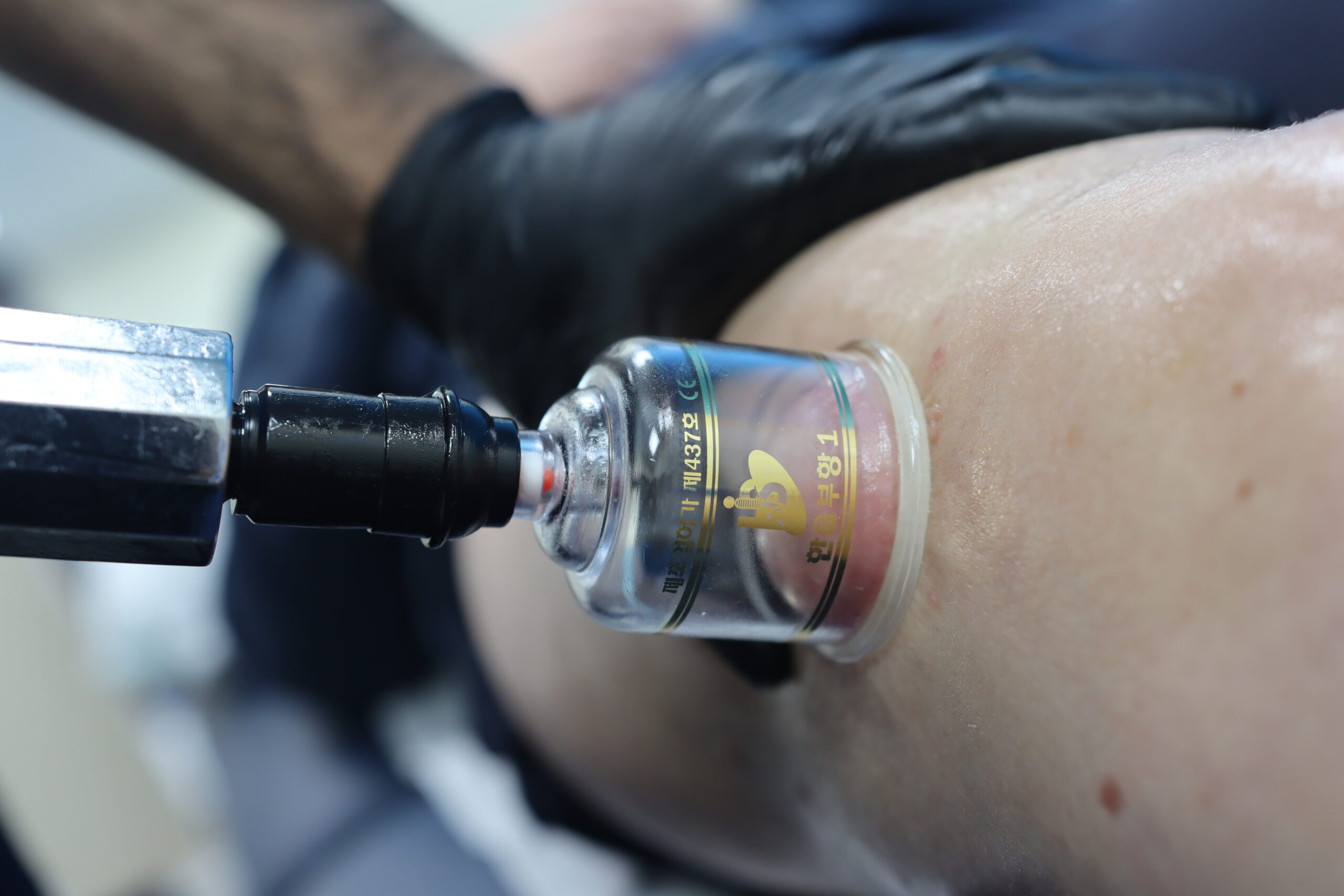
Treatment is tailored to each individual and may include manual therapy, exercise rehabilitation, taping, dry needling, and advice on posture and movement. Our MSK physiotherapists also work closely with other members of the Physio Matters team to ensure holistic care, especially when neurological or complex rehabilitation needs are present.
Whether you’re recovering from injury, managing a long-term condition, or aiming to improve physical performance, our MSK specialists are here to help you move better, feel stronger, and live well.
Musculoskeletal (MSK) physiotherapists specialise in assessing, diagnosing, and treating conditions that affect the muscles, joints, bones, ligaments, and tendons. At Physio Matters, our MSK team supports clients of all ages to recover from injury, manage pain, and improve movement and function.
Need more help?
If you are uncertain whether musculoskeletal or neurological physiotherapy is most appropriate for your needs, please don’t hesitate to contact us — our team will be happy to advise on how we can help you.
What’s new at Physio Matters
Catch up on our latest news stories, case studies, team highlights, and expert insights—see how we’re helping people move better and feel stronger every day.
-
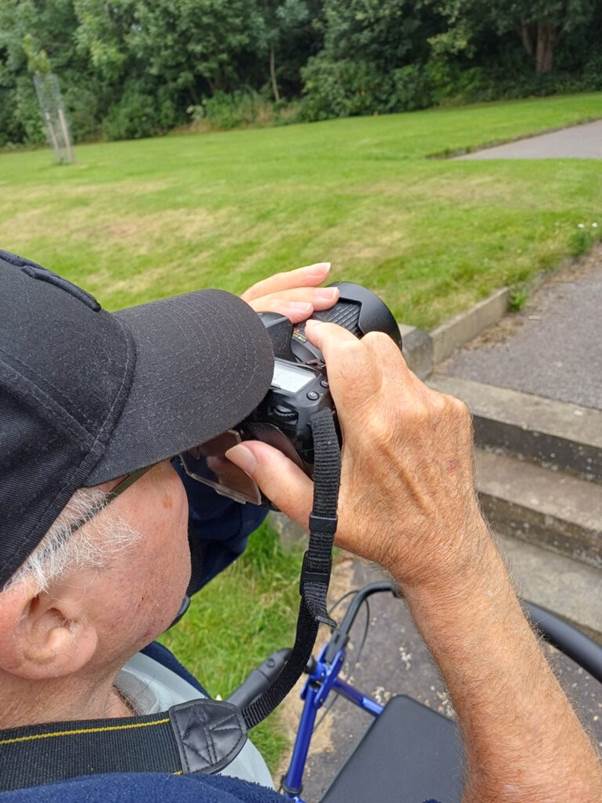
Meet Jeff
When 82 year old Jeff first contacted Physio Matters, he wasn’t looking for miracles – he simply wanted a chance to indulge his passion for…
·
3 mins -
Brainwaves 2026 Programme Revealed
On 6th October 2025 Physio Matters proudly marked its 25th anniversary with an unforgettable celebration dinner, bringing together colleagues, partners, and supporters to honour a…
·
3 mins -
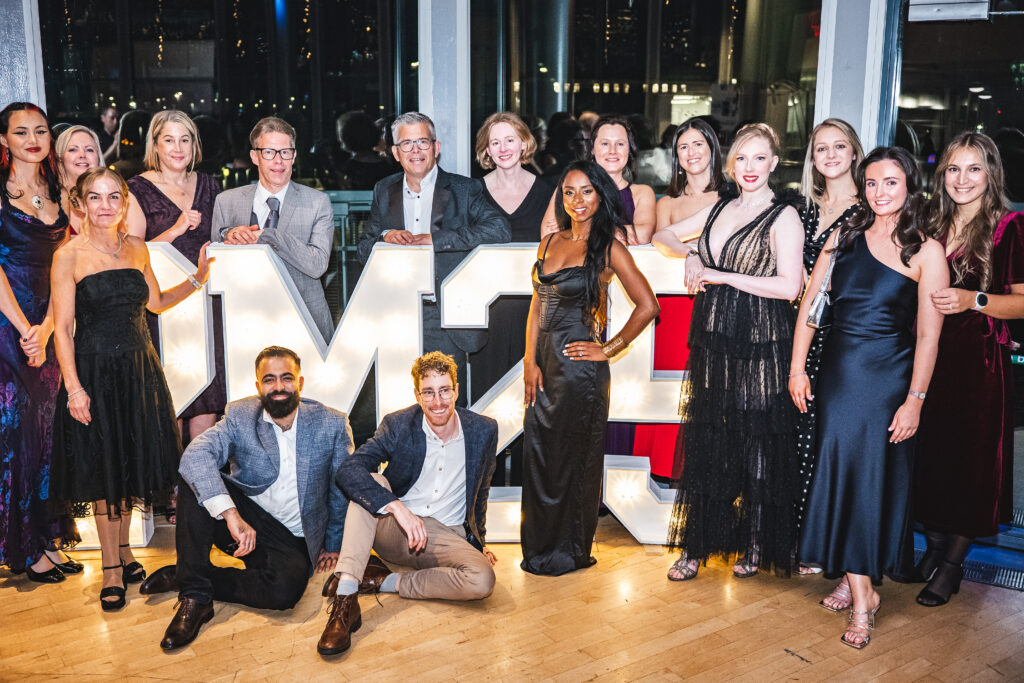
Physio Matters’ 25th Anniversary Celebrations!
On 6th October 2025 Physio Matters proudly marked its 25th anniversary with an unforgettable celebration dinner, bringing together colleagues, partners, and supporters to honour a…
·
3 mins
-
Meet Jeff
When 82 year old Jeff first contacted Physio Matters, he wasn’t looking for miracles – he simply wanted a chance to indulge his passion for…
·
3 mins -
Brainwaves 2026 Programme Revealed
On 6th October 2025 Physio Matters proudly marked its 25th anniversary with an unforgettable celebration dinner, bringing together colleagues, partners, and supporters to honour a…
·
3 mins -
Physio Matters’ 25th Anniversary Celebrations!
On 6th October 2025 Physio Matters proudly marked its 25th anniversary with an unforgettable celebration dinner, bringing together colleagues, partners, and supporters to honour a…
·
3 mins
Get in touch to discuss your rehabilitation needs
Physio Matters is here to support your enquiry by phone during normal business hours or via email or contact form anytime. Whether you’re seeking expert advice or wish to arrange an appointment, our friendly team is ready to help.